18 Jul 2026
Post by Elowenly
Introduction
Keeping your CPU cool drastically improves its performance and longevity. As CPUs tackle intense tasks, they generate significant heat, potentially throttling speed and damaging components long-term. Water coolers are an effective solution, efficiently managing this heat and ensuring seamless CPU operation. Let’s delve into the top water coolers for 2024 and discuss why they are optimal for your setup.
Why Choose a Water Cooler for Your CPU?
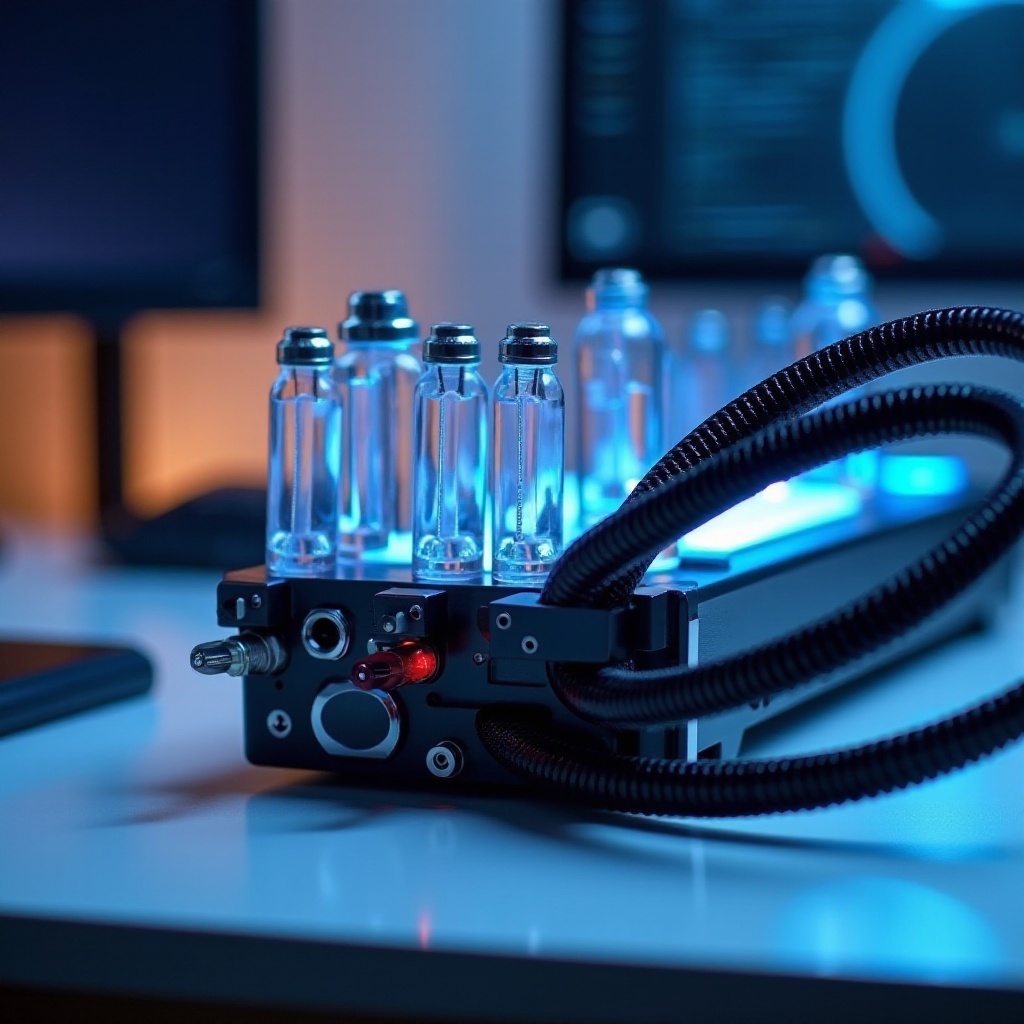
Selecting the proper cooling method is vital for high-performance computing. Water coolers present a significant advantage over traditional air coolers. They offer superior efficiency, lower noise levels, and enhanced thermal management owing to liquid’s higher thermal conductivity. Water coolers enable the CPU to perform at its highest capacity without overheating concerns, and they contribute an appealing visual finish to rig aesthetics, making them ideal for custom PC builders and gamers.
Understanding these benefits aids in informed model selection. It’s essential first to consider crucial factors ensuring compatibility and performance with your system. This framework sets the stage for an optimal choice and integration into your personalized machine.
Factors to Consider When Selecting a Water Cooler
Navigating through options requires focusing on specific factors tailored to your requirements:
- Compatibility: Verify that the cooler supports your CPU and motherboard. Manufacturers typically provide compatibility guidelines to assist.
- Performance Metrics: Examine cooling capacity in watts; higher wattage offers superior support for powerful CPUs.
- Noise Levels: If minimizing sound is crucial, select models with a lower decibel rating—water coolers are generally more quiet than air equivalents.
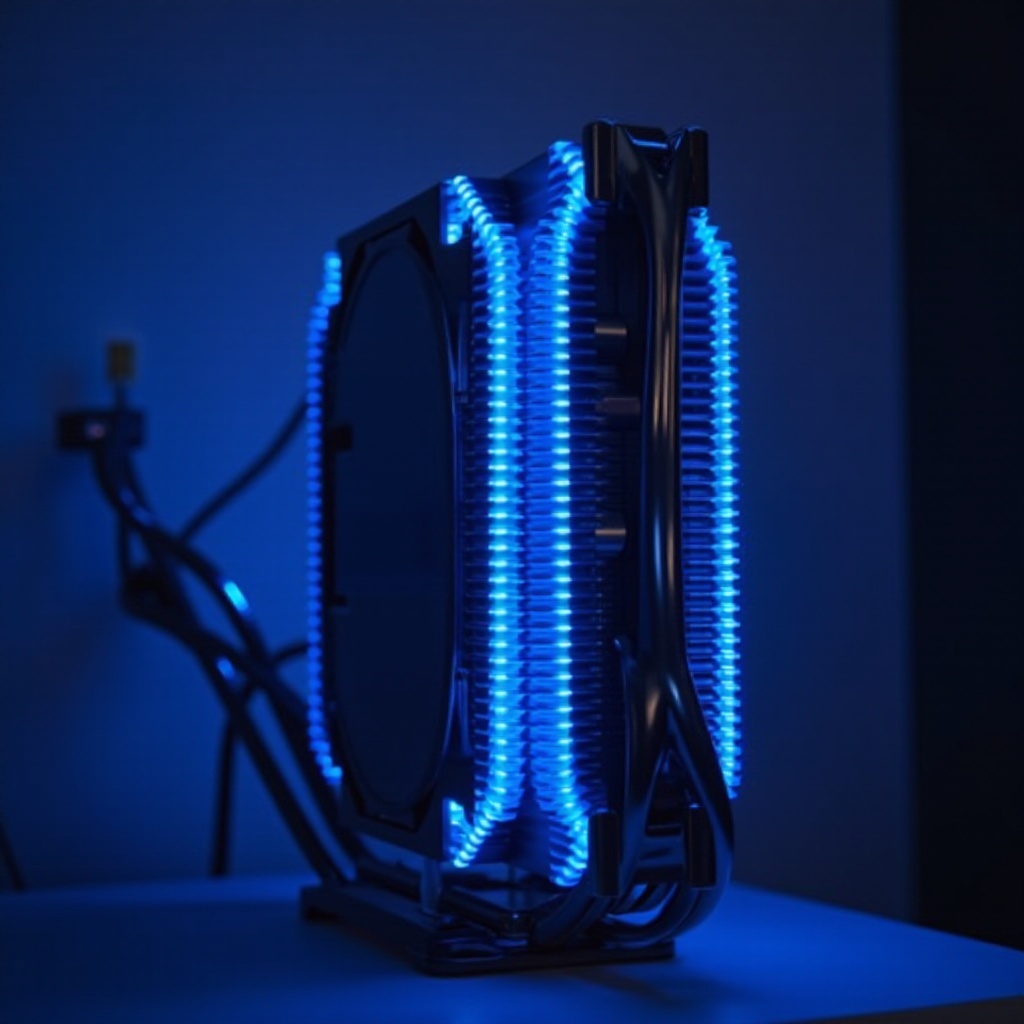
- Aesthetic Appeal: Depending on your preference, consider RGB lighting and design style.
- Brand Reputation and Warranty: Prioritize brands recognized for quality and durability. Extended warranties often reflect enhanced manufacturer confidence in product longevity.
Focusing on these aspects ensures your water cooler meets your system’s demands and preferences, fostering peak performance post-installation. Understanding what to look for allows moving forward with examining the best current models.
Top 5 Best Water Coolers for CPUs in 2024
Now, let’s evaluate specific models to match various performance and budget needs. Here are the top picks for 2024:
Model 1: Brand & Model Name
- Key Features: High cooling capacity with RGB lighting and an easy installation kit.
- Pros and Cons: Provides excellent heat management; however, it might be on the bulkier side.
Model 2: Brand & Model Name
- Key Features: Quiet operation, effective thermal design, customizable fan speeds.
- Pros and Cons: Exceptionally quiet and efficient though priced at a premium.
Model 3: Brand & Model Name
- Key Features: Budget-friendly, compact build, solid performance for mid-range needs.
- Pros and Cons: Excellent value but might lack advanced features in higher-end models.
Model 4: Brand & Model Name
- Key Features: High-end performance with innovative technology and seamless integration.
- Pros and Cons: Ideal for enthusiasts, though requiring more space.
Model 5: Brand & Model Name
- Key Features: Renowned reliability with robust construction and intuitive interface.
- Pros and Cons: Dependable model lacking RGB customization.
These models showcase the diversity and advancements available in 2024. Select one based on your specific needs, and ensure it fits well in your setup. Next, look into effectively installing and maintaining your cooling unit to maximize its potential.
How to Install and Maintain Your CPU Water Cooler
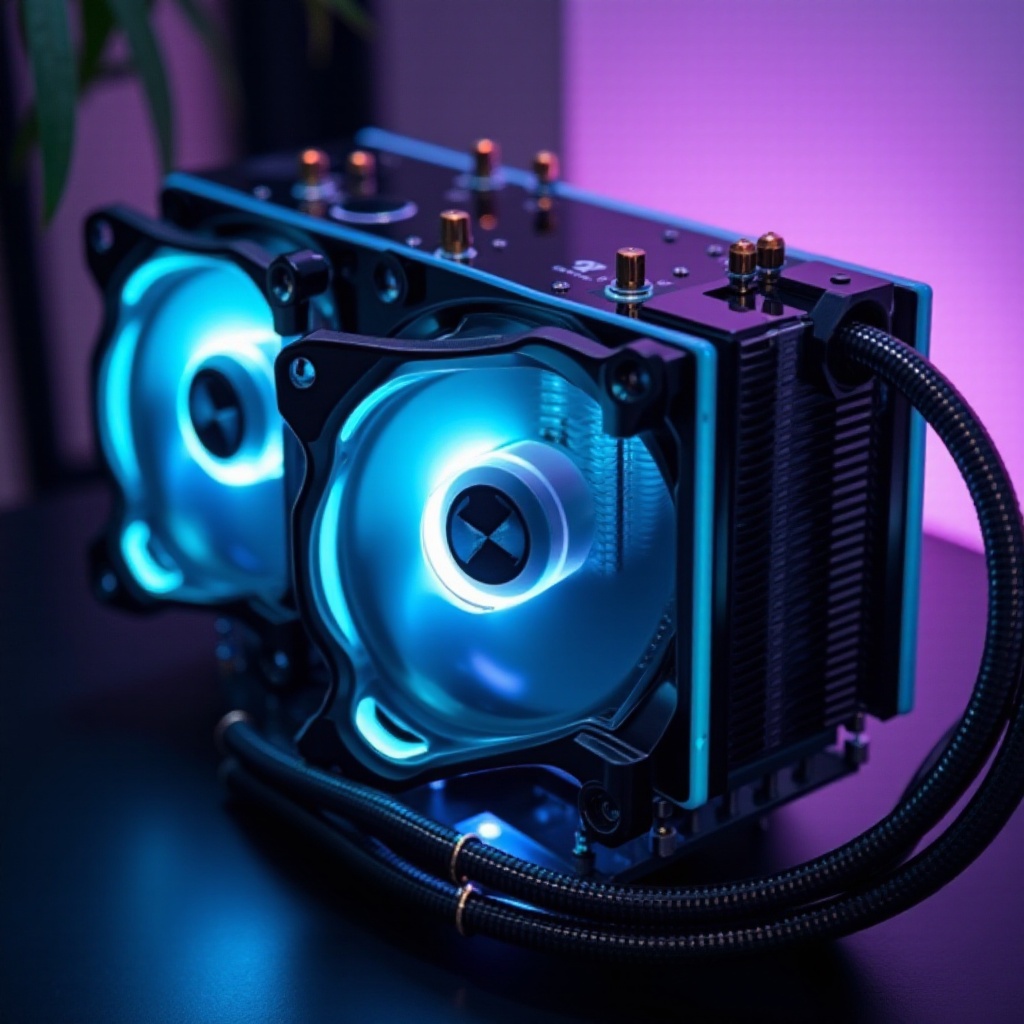
Proper installation and maintenance are pivotal in enhancing the efficiency and longevity of your water cooler. Here’s a concise guide:
Installation Steps:
1. Preparation: Confirm all components are present while reviewing the manual.
2. Mounting the Radiator: Secure onto assigned slots within your case.
3. Attaching the CPU Block: Clean the CPU surface, apply thermal paste, and secure the block.
4. Connecting Fans: Attach fans to the radiator and establish power connections.
5. Checking for Leaks: Ensure all connections are tight to prevent leakage.
Maintenance Tips:
– Regular Cleaning: Clear dust from fans and radiator to ensure optimal airflow.
– Check Connections: Periodically inspect fittings and tubes for security.
– Monitor Coolant Levels: Some systems may require regular coolant checks and top-offs.
Proper care will maintain cooler efficiency over time, sustaining the desired performance benefits. Now let’s wrap up with some final thoughts and recommendations.
Conclusion
Incorporating a water cooler is a wise investment for those seeking enhanced CPU performance and a quieter user environment. By understanding the numerous available features and selecting a model tailored to your necessities, you can dramatically augment your system’s efficiency and lifespan. Arm yourself with the knowledge from this guide to transform your computing experience with one of 2024’s finest water coolers. Make an informed choice and enjoy superior performance.
Frequently Asked Questions
What is the lifespan of a typical CPU water cooler?
Most CPU water coolers last between 5 to 7 years, depending on usage and maintenance. Regular care can extend its lifespan.
Can water cooling damage my computer?
If installed incorrectly, leaks can occur, posing a risk. However, quality models significantly reduce this risk with proper installation.
Is water cooling necessary for overclocking?
Water cooling is recommended for overclocking as it provides better heat dissipation compared to air cooling solutions.