15 Mar 2026
Post by Elowenly
Introduction
The cartridge on a turntable is a crucial component in the realm of vinyl playback. This small element plays the key role of translating the physical grooves on records into the musical sounds you enjoy. As the connection between the record and the sound system, understanding the cartridge’s function and maintenance is essential for anyone wishing to enhance their listening experience.
What is a Turntable Cartridge?
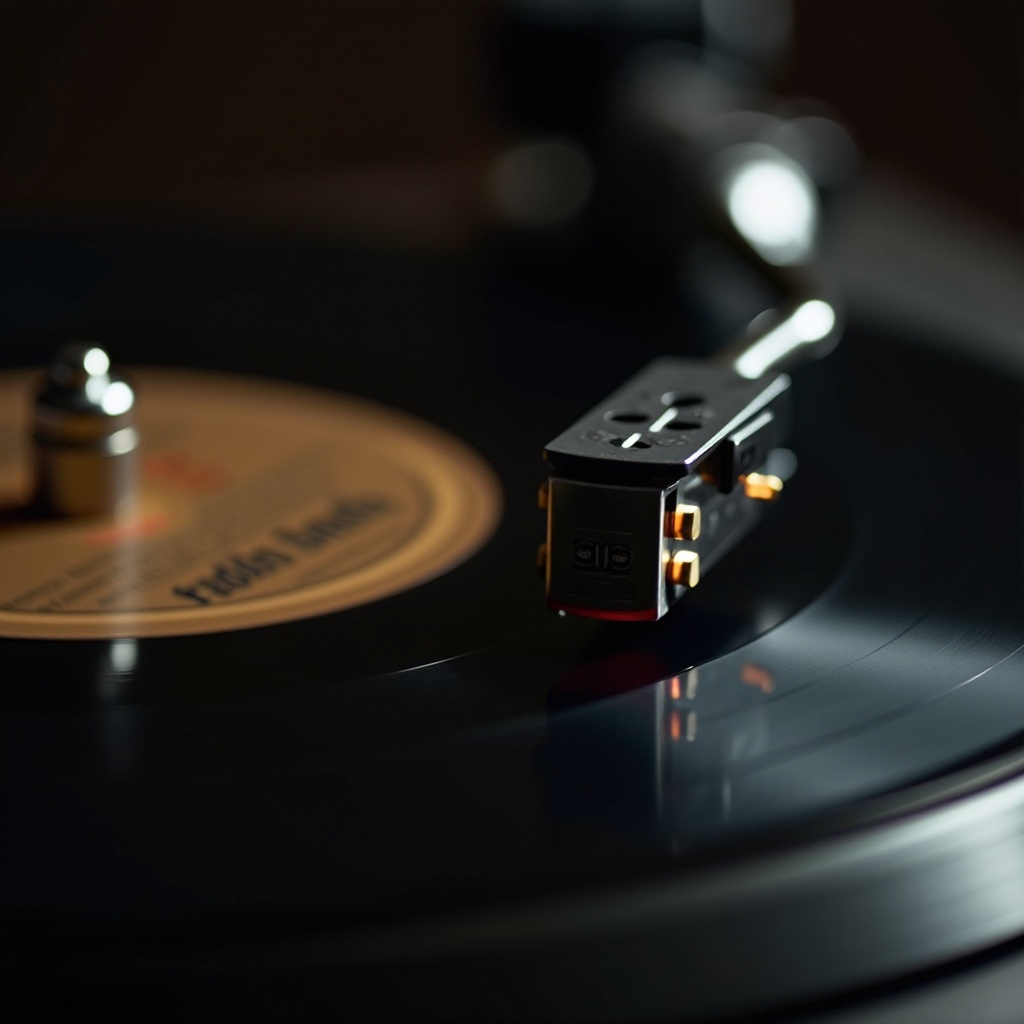
The turntable cartridge, mounted on the tonearm, translates the grooves of a vinyl record into electrical signals that create sound. It consists of several parts:
-
Stylus: The needle or stylus rides in the grooves of the record and transfers vibrations.
-
Cantilever: This small, lightweight rod holds the stylus in position and conveys its movements to the cartridge’s interior mechanisms.
-
Body: Inside the cartridge body are components such as magnets or coils that turn mechanical vibrations into electrical signals.
Each part of the cartridge works together to convert the analogue signal into sound, making it essential for music fans to understand how it operates.
Types of Turntable Cartridges
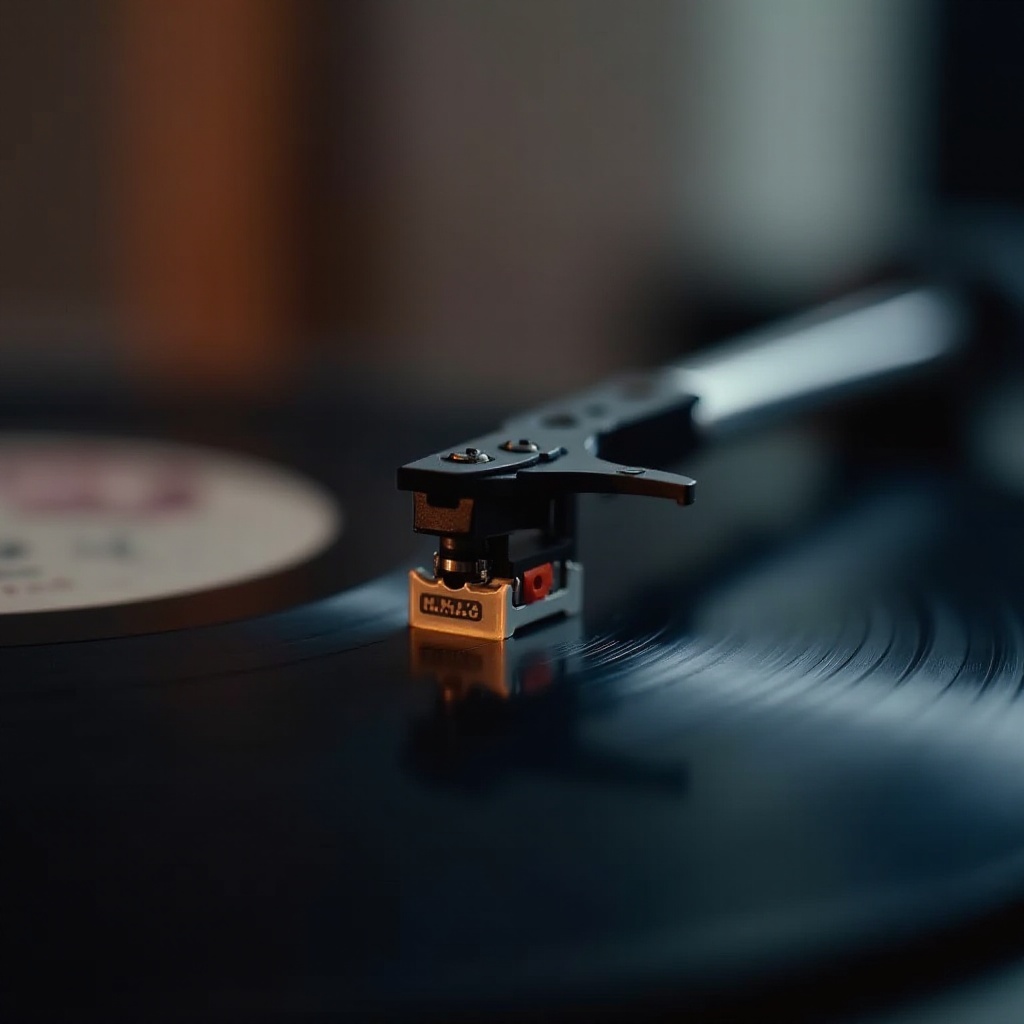
The type of cartridge has a substantial impact on your audio experience. Primarily, cartridges are divided into three categories: Moving Magnet (MM), Moving Coil (MC), and Ceramic.
-
Moving Magnet (MM) Cartridges: Commonly used, MM cartridges are user-friendly. They function by moving a magnet attached to the cantilever inside stationary coils. These cartridges are renowned for their durability and ease of stylus replacement, making them ideal for everyday use.
-
Moving Coil (MC) Cartridges: Preferable for audiophiles, MC cartridges attach coils to the cantilever, vibrating near fixed magnets, offering superior sound quality. Though they promise exquisite sound detail, MC cartridges require more meticulous handling and often professional replacement.
-
Ceramic Cartridges: Though less common, these cartridges are still used in older and budget turntables. They create signals from pressure changes on a ceramic element inside the cartridge, offering a rugged but less precise sound quality.
Choosing between these types should be based on your audio preferences and the turntable system you own.
The Impact of Cartridges on Sound Quality
Cartridges are pivotal in shaping the sound quality of your vinyl playbacks. By converting record grooves into sound, they significantly influence audio output:
-
Sound Reproduction and Clarity: The efficiency of the cartridge determines the clarity and fidelity of sound reproduction. MC cartridges particularly enhance sound details, offering a wide frequency range.
-
Differences in Sound Profiles: Each cartridge type yields distinct sound characteristics. Some focus on warmth, while others emphasize detail and brightness. This variation enables listeners to customize their auditory experience to their tastes.
Understanding these effects will help in selecting a cartridge that complements your audio expectations.
Choosing the Right Cartridge for Your Needs
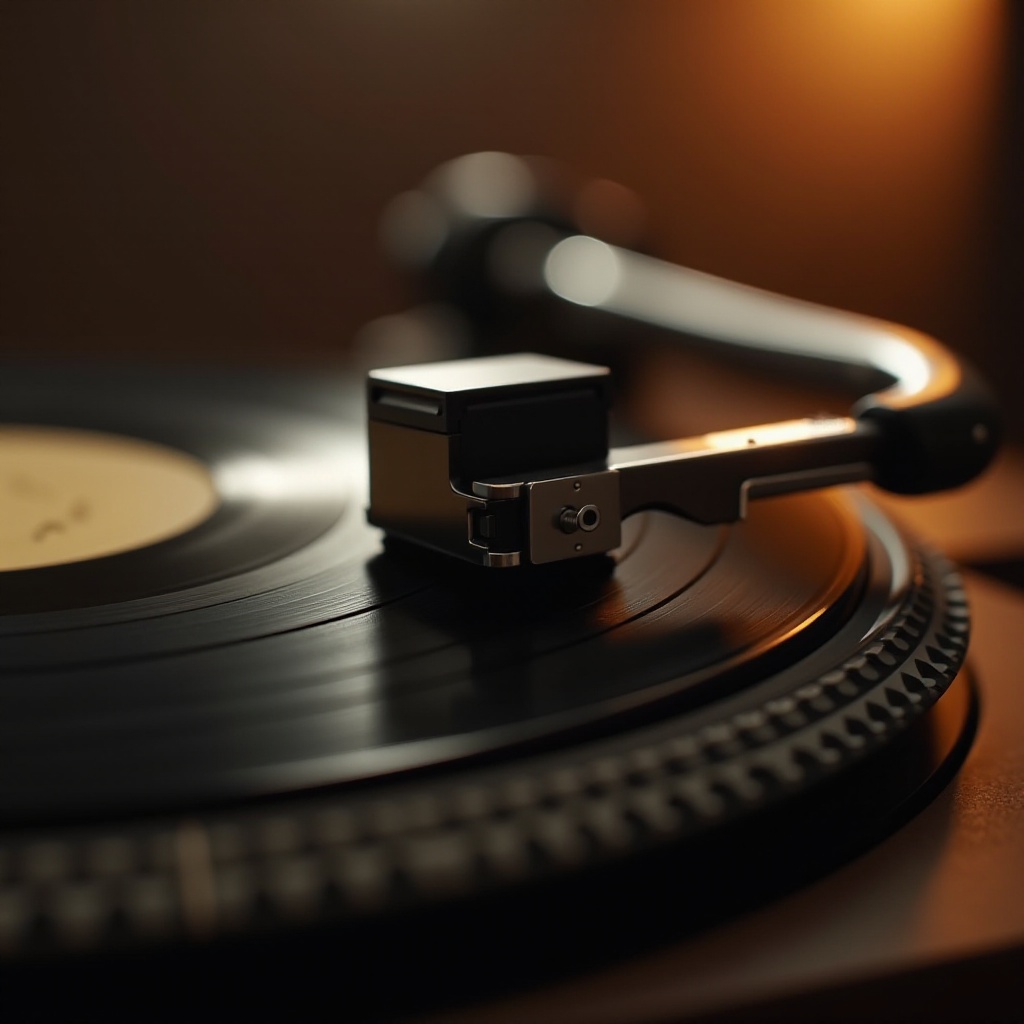
Selecting a cartridge involves evaluating several factors, such as cost, musical taste, and the extent of turntable use.
- Budget: Determine your spending capacity. High-end cartridges deliver exceptional sound performance but come at a premium price.
- Music Preference: Different cartridges suit various musical genres. Audio purists may prefer MC cartridges for classical music, while MM cartridges could accommodate popular music genres well.
- Usage Level: How often you use your record player can affect your choice. For serious audiophiles, an MC cartridge presents an opportunity for enhanced audio depth, while occasional listeners may find MM options more convenient.
Considering these factors will lead you to a well-suited cartridge for your listening habits.
Maintenance and Cartridge Replacement
Proper maintenance of your cartridge ensures the longevity and performance of your turntable setup. Sustaining good cartridge health also contributes to better sound quality over time.
-
Maintaining Cartridge Longevity: Preserve your stylus by keeping it clean and free from dust. Regular checkups on the stylus alignment prevent unwanted wear.
-
Steps for Replacing a Cartridge:
- Detach the old cartridge: Carefully disconnect the wires and unscrew the existing cartridge from the tonearm.
- Install the new cartridge: Connect wires to the new cartridge, securing it to the tonearm with screws.
- Align and check: Proper alignment using specialized tools enhances playback quality before testing it with a record.
Adhering to maintenance routines will elevate your audio experience and extend the lifespan of your equipment.
Conclusion
In conclusion, the cartridge is a vital part of any turntable, greatly impacting sound quality and overall performance. Understanding the various cartridge types and maintaining them well ensures you get the most out of your vinyl listening sessions. Whether you’re a newcomer with an MM cartridge or an enthusiast enjoying the depth of an MC cartridge, informed decisions about this component will enrich your musical enjoyment.
Frequently Asked Questions
How often should I replace my turntable cartridge?
Replacement is advised every 1000-2000 hours of playtime, depending on usage.
Can I upgrade my turntable cartridge myself?
Yes, upgrading can be done at home with care and by following proper installation steps.
What are signs of a failing cartridge?
Signs include audio distortion, skipping, or muffled playback, indicating a need for replacement or adjustment.