20 Mar 2026
Post by Elowenly
Introduction
Accessing local channels is crucial for staying informed and entertained with programming that connects you to your community. Whether you’re catching up on important local news, cheering for a hometown sports team, or enjoying regional cultural shows, smart TVs make accessing local channels straightforward and efficient. Dive into this guide to understand how to seamlessly stream local channels on your smart TV for a whole new viewing experience.
Understanding Smart TVs and Their Features
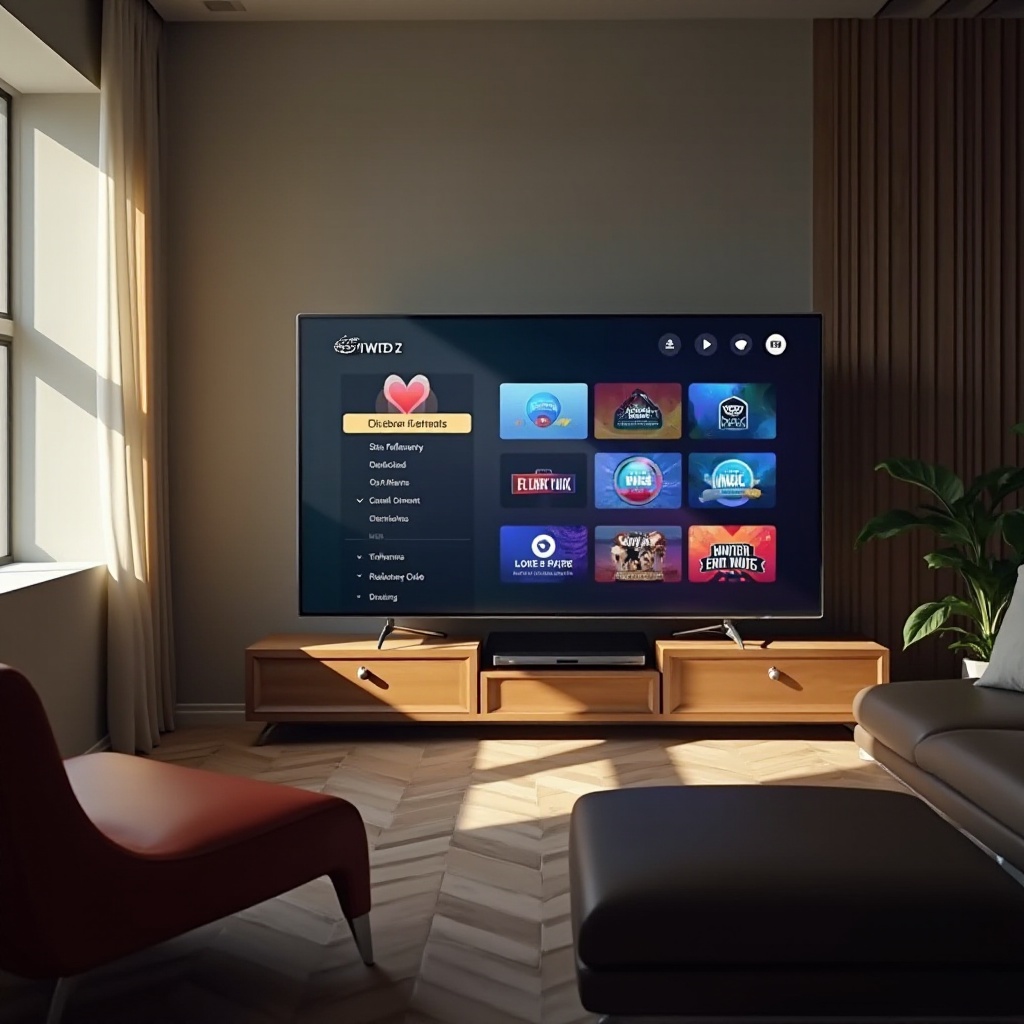
A smart TV bridges the gap between conventional television viewing and the digital world, allowing easy access to streaming services and apps. Unlike traditional TV sets, smart TVs connect to the internet, providing viewers the capability to stream content directly without needing separate devices.
What Defines a Smart TV?
Smart TVs are defined by their built-in internet capabilities, providing direct access to a range of streaming services, applications, and entertainment options. By combining television viewing with internet browsing features, they bring a versatile experience to the user.
Key Features for Streaming
Integrated app support, high-definition display technology, and user-friendly interface make smart TVs ideal for streaming. Additionally, they often include voice recognition and remote access features, enhancing the ease of navigation and searchability.
With a grasp of smart TV fundamentals, it’s vital to explore the benefits of streaming local channels.
Why Stream Local Channels?
Streaming local channels is invaluable for real-time updates and community-specific content. Local channels provide insights into weather forecasts, regional news, and cultural events, serving as a crucial medium for neighborhood connectivity.
Benefits of Local Programming
Local programming not only informs but helps build a sense of community by delivering content specific to your area’s culture and lifestyle. Having consistent access reinforces your engagement with local happenings and interests.
The Shift from Cable to Streaming
Transitioning from cable to streaming is driven by flexibility and cost-efficiency, as streaming allows viewers to customize their viewing preferences significantly. Gone are the days of restrictive cable schedules — streaming offers anytime access to desired content.
Armed with this knowledge, let’s examine the methods to effectively stream local channels on smart TVs.
Methods to Stream Local Channels on Smart TVs
Consider several methods to stream local channels on your smart TV, from utilizing built-in functions to employing external support systems.
Built-in Apps on Smart TVs
Popular smart TV brands come equipped with pre-installed apps capable of streaming local channels. Apps such as NewsON provide direct access to live local broadcasts, making it a hassle-free solution.
Using Streaming Services
- Streaming services like Hulu + Live TV and Sling TV offer packages that include access to major local channels.
- These platforms typically extend a broader selection of channels, resembling traditional cable, but with the convenience of online access.
- Pricing plans are diverse, offering users options suitable to their needs and usage.
Digital Antennas as a Complementary Option
- Digital antennas are a cost-effective method capturing local broadcast signals, suitable for those without a constant internet connection.
- These devices require a one-time investment and involve minimal setup effort.
- Ensure your smart TV’s compatibility with the chosen digital antenna to achieve optimal reception.
Let’s proceed to the practical setup of these streaming options, providing a user-friendly experience.
Step-by-Step Guide to Setting Up Local Channel Streaming
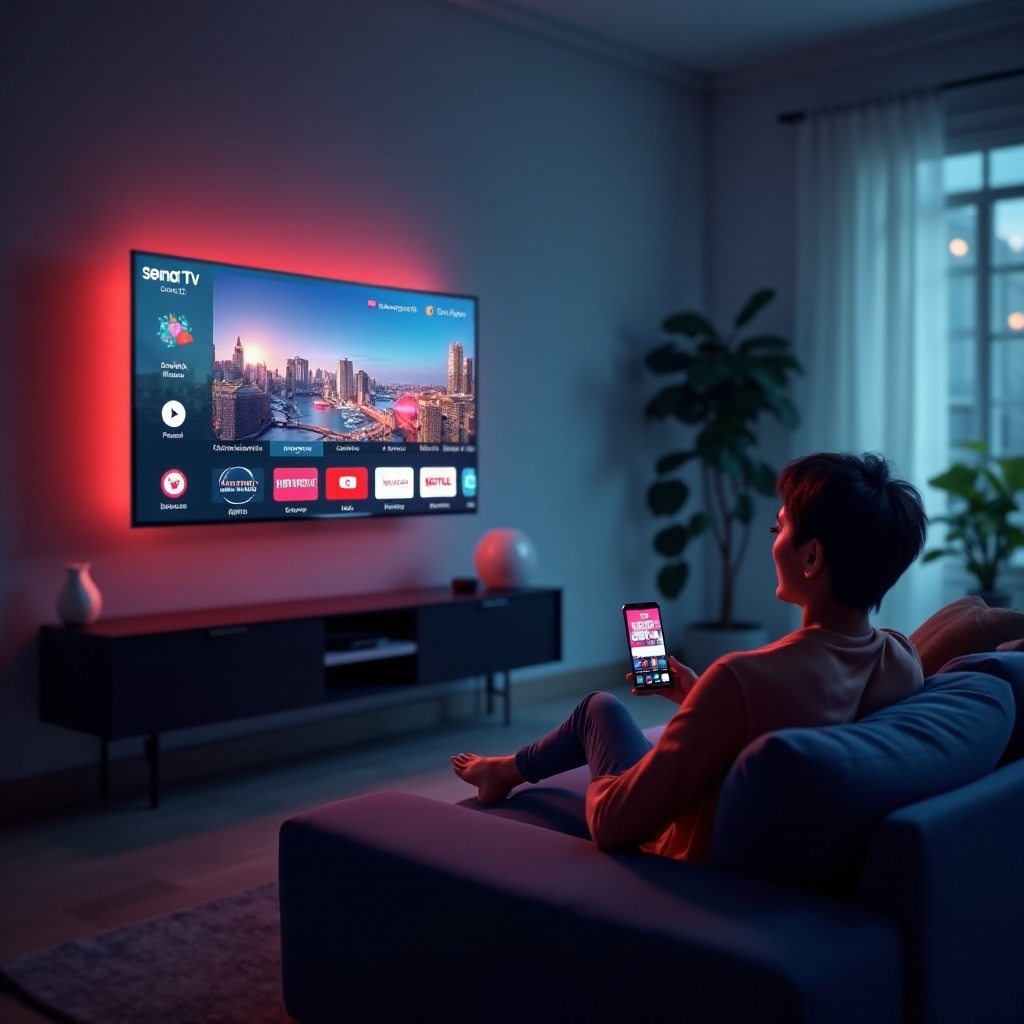
Setting up your smart TV to stream local channels involves systematic steps to enhance performance and accessibility.
Setting up Built-in Apps
- Connect your smart TV to the internet via Wi-Fi.
- Navigate to your TV’s app store and locate desired local channel apps.
- Install and launch the app, activating it using provided credentials.
- Follow the app’s instructions to personalize your viewing configuration.
Connecting Streaming Devices
- Insert a streaming device like a Roku or Fire Stick into the HDMI port.
- Link the device to your home Wi-Fi network.
- Access streaming apps included in your subscription and configure them for local channels.
- Log in, select packages, and commence viewing.
Configuring Digital Antennas
- Insert the antenna cable into your TV’s antenna input.
- Place the antenna strategically within your residence for max signal catchment.
- Use your TV settings to perform a channel scan to locate available broadcasts.
- Readjust the antenna positioning as required for improved reception.
Next, we review various apps and services to amplify your streaming experience, making local content readily available.
Overview of Popular Streaming Apps and Services
Exploring popular streaming services enhances your access options and enriches your viewing scope.
Paid Options for Local Channels
- YouTube TV: Includes top local networks and provides excellent DVR capabilities to store live content.
- Hulu + Live TV: Offers a mix of live local channels and an extensive library of on-demand content for varied viewing.
- Sling TV: Known for customizable packages, Sling TV caters to different market segments, featuring local channels based on your area.
Free Services to Consider
- Locast: Offers local channels in select markets at a low donation cost.
- NewsON and Local Now: Deliver free local newscasts and programs in specific regions.
Equipping yourself with knowledge of these services sets the ground for a fluid streaming experience.
Tips and Troubleshooting for a Better Experience
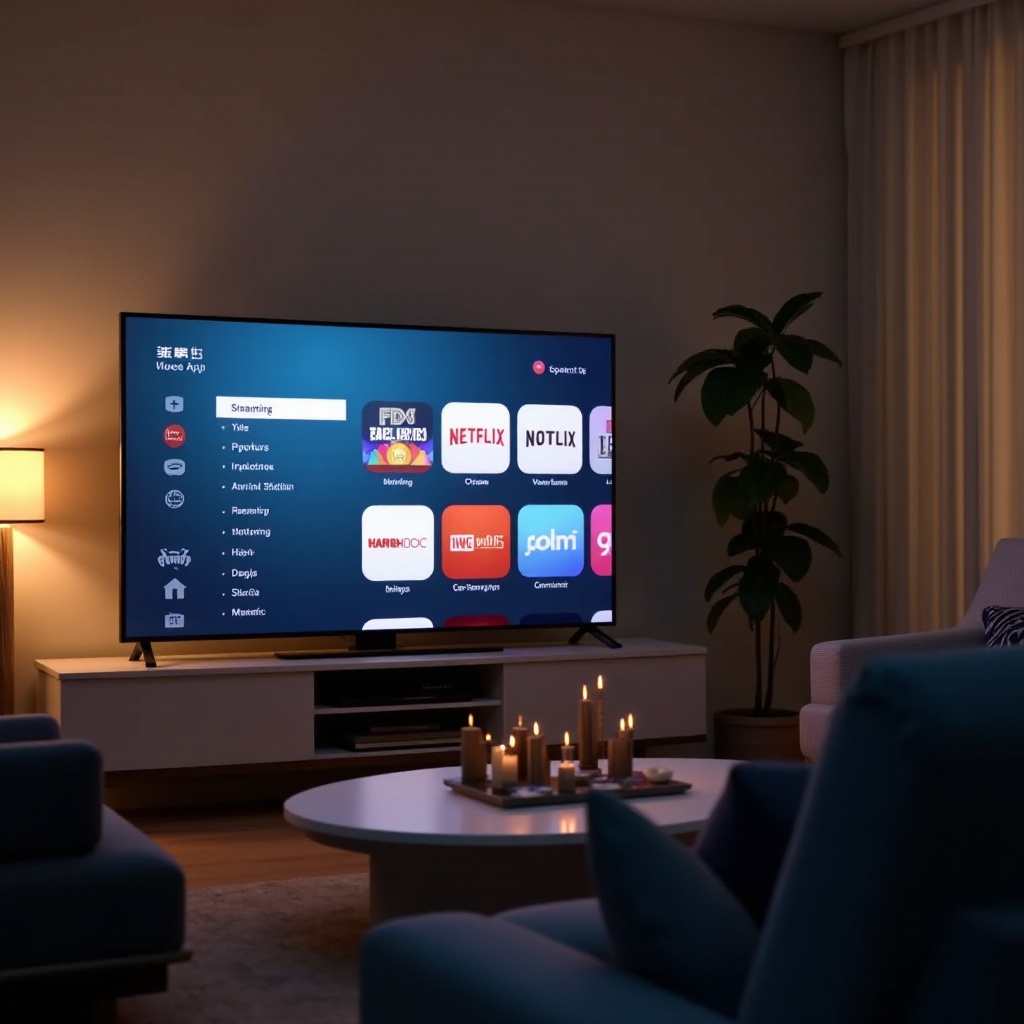
Achieving an exemplary streaming experience is possible with these essential pointers:
Enhancing Streaming Quality
- Utilize stable, high-speed internet connections to prevent buffering and interruptions.
- Hardwire your connection with Ethernet cables where practical for steady bandwidth.
- Keep streaming apps and TV software current for optimal performance.
Resolving Common Issues
- If buffering persists, investigate the connection speed and device settings as possible causes.
- When using a digital antenna, experimenting with different placements can resolve signal issues.
As we conclude, it’s apparent that smart TVs bring significant advantages for accessing crucial local content.
Conclusion
Smart TVs have transformed the way we engage with local channels, providing an effective blend of technology and convenience. By embracing various streaming options and setups, you ensure a seamless and diversified viewing experience that brings local news, sports, and cultural programs directly to your living room. Enjoy the flexibility and diversity that streaming local channels on a smart TV offers, enhancing your daily routine with individualized content.
Frequently Asked Questions
How much internet speed is required for streaming local channels?
You’ll need at least 3-5 Mbps for standard-definition streaming and 5-10 Mbps for HD content to ensure smooth streaming.
Can I record local channels on my smart TV?
Yes, many streaming services like YouTube TV offer DVR capabilities so you can record live broadcasts and watch them later.
Are there any free options to stream local channels on smart TVs?
Apps like Locast, NewsON, and some local networks offer free access to local channels, although availability may vary by location.